Understanding Lawncare Basics: A Guide for Findlay Homeowners
Maintaining a lush, green lawn in Findlay, Ohio, can seem daunting, especially if you're not familiar with the technical aspects of lawncare. However, with a little guidance and understanding of basic principles, you can transform your lawn into a vibrant landscape. This guide simplifies the technical concepts of lawncare, making them accessible to every homeowner.
The Importance of Soil Health
The foundation of any healthy lawn is the soil. In simple terms, good soil is like a balanced diet for your grass. It provides the necessary nutrients that grass needs to grow strong and resilient. In Findlay, the soil type can vary, but generally, it’s a mix of clay and loam, which holds nutrients well but can compact easily.
How to Test Your Soil
Testing your soil is crucial. You can purchase a simple soil test kit from a local garden center. This test will help you understand the pH level and nutrient content of your soil.
- pH Level: Ideally, your soil should have a pH between 6.0 and 7.0. If it's too acidic or too alkaline, grass may struggle to absorb nutrients.
- Nutrients: Look for levels of nitrogen, phosphorus, and potassium. These are essential for grass growth.
Once you have your results, you can adjust your soil's pH and nutrient levels by adding lime or sulfur and using fertilizers.
Choosing the Right Grass Type
Findlay's climate, with its cold winters and warm summers, requires a grass type that can survive and thrive in these conditions. Here are a few options:
- Kentucky Bluegrass: Known for its lush appearance, this grass is ideal for its ability to withstand cold temperatures.
- Perennial Ryegrass: This is a quick-growing grass type, great for overseeding and repairing damaged areas.
- Tall Fescue: Excellent for drought resistance and shade tolerance, perfect for varying Findlay weather conditions.
Choosing the right grass type ensures that your lawn remains healthy throughout the year.
Essential Lawncare Techniques
Understanding the basic lawncare techniques can significantly impact the health and appearance of your lawn:
Mowing
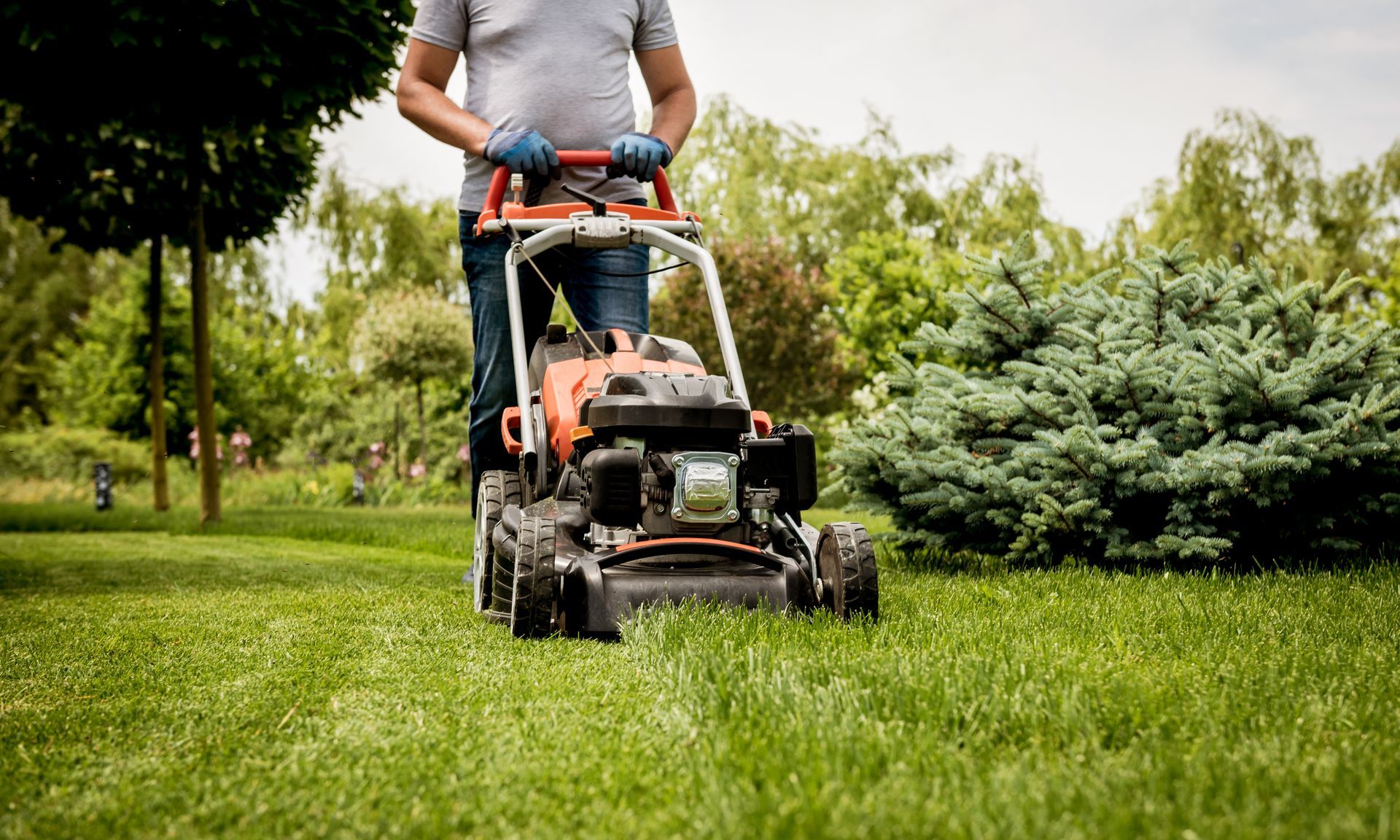
Regular mowing is crucial. Keep your mower blades sharp and set them at the proper height—generally between 2.5 to 3.5 inches for most grass types in Findlay. This height helps your grass develop a deep root system and shades the soil, reducing weed growth.
Watering
Proper watering is essential. Aim for about 1 to 1.5 inches of water per week, including rainfall. Water deeply but infrequently to encourage deep root growth. Early morning is the best time to water to minimize evaporation.
Fertilization
Fertilization provides essential nutrients. A balanced fertilizer applied in spring and fall supports healthy growth. Be sure to follow the instructions on the fertilizer package to avoid over-fertilization, which can damage your lawn.
Weed and Pest Control
Weeds and pests can quickly take over if not controlled. Here are some simple strategies:
- Manual Removal: Pulling weeds by hand or using a weeding tool can be effective, especially for small lawns.
- Herbicides: Use selective herbicides for targeted weed control. Always read the label and follow safety instructions.
- Pest Management: Identify pests early. Natural solutions like neem oil or insecticidal soap can control pests like grubs and chinch bugs without harming beneficial insects.
Preparing for Seasonal Changes
As seasons change, so should your lawncare routine. Here’s how to adjust:
Spring
Spring is the time to aerate your lawn if the soil is compacted. This allows air, water, and nutrients to penetrate the soil. Overseed any bare patches and apply a pre-emergent herbicide to prevent weed growth.
Summer
During the hot summer months, maintain your mowing schedule and adjust watering to accommodate for dry spells. Consider using a mulching mower to return nutrients to the soil.
Fall
In the fall, focus on fertilization and overseeding. Fall is also the time to prepare your lawn for winter by cleaning up leaves and debris.
Winter
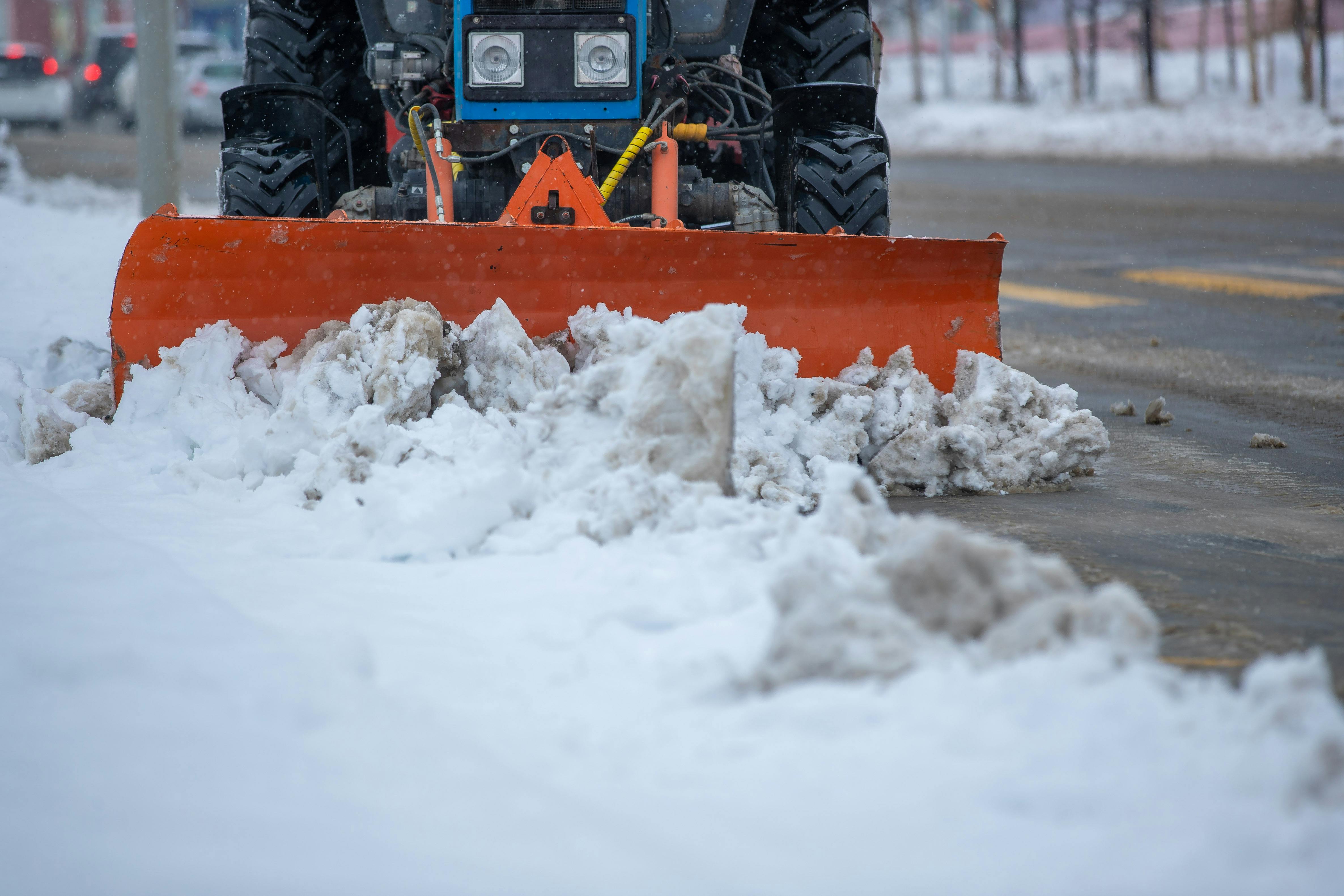
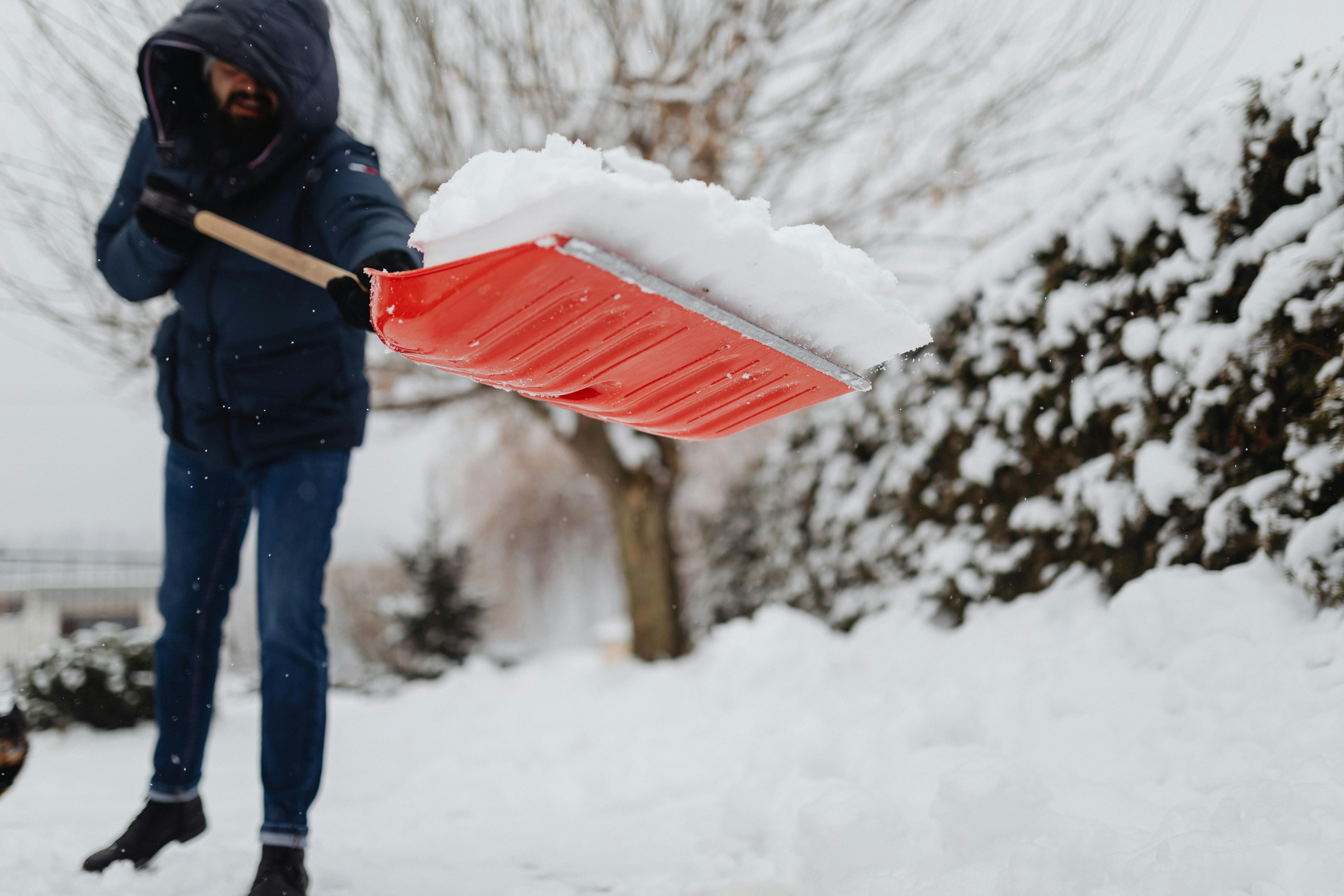
In winter, limit foot traffic on your dormant lawn to prevent damage. Snow can provide insulation, but heavy ice can harm grass. Avoid using salt for ice control on your lawn, as it can damage the grass when the snow melts.
Conclusion: Simplifying Lawncare for Better Results
By understanding and implementing these basic lawncare principles, homeowners in Findlay can enjoy a healthy, beautiful lawn year-round. While it may seem technical at first, breaking down each step into manageable tasks makes lawncare accessible to everyone. For those who prefer professional assistance, consider contacting Sponsler Brothers Lawn Care for expert services tailored to your lawn's needs.